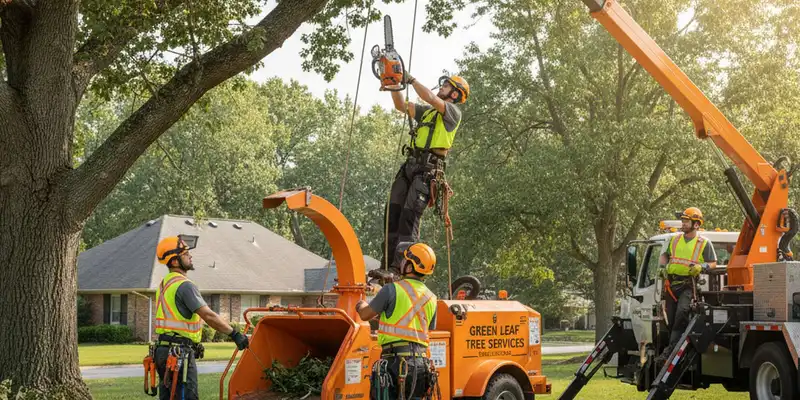
Reading, MA is a close-knit suburban town known for established neighborhoods, colonial streetscapes, and properties shaded by mature oaks, maples, and white pines. On older lots along Haven Street and Summer Avenue, it is common to see narrow side-yard access, lifted walkways from root growth, and trees showing signs of disease or structural decline. The tree care professionals in Andover who serve this area know how to evaluate crowded canopies, address root conflicts near foundations and utilities, and remove storm-damaged limbs safely so properties remain accessible through changing seasons.
That is why so many property owners in Reading, MA turn to Arbor Tree Care for year-round maintenance and cleanup.

Prefer to Talk to An Expert?
(978) 203-5300
Why Reading Property Owners Trust Local Professionals to Get It Right
Because they work in the area every day, local professionals understand Reading's mature tree stock, limited lot space, and exposure to seasonal storms. Each job is planned with the right tools and methods for Reading properties, including canopy overhang near buildings, root pressure along aging sidewalks, and fungal issues that are common in this part of the Andover service area.
From expert stump removal solutions near Reading Town Common to structural pruning on large white pines along Woburn Street, every project is approached with careful workmanship and dependable results.
If you care about keeping your property safe and well-kept, local contractors can help maintain a healthy canopy and clear, usable walkways in Reading.
Our Tree-Service Services
in Andover, MA, Include
A Service Area Built Around Your Reading Neighborhood
Reading's dense canopy and compact residential lots require tree care that is tailored, not generic. Local professionals adapt their approach to each property, whether it is a small in-town yard or a larger parcel near the wooded edge of town.
It makes no difference if the property is a colonial home in Washington Park, a ranch in Birch Meadow, or a wooded lot near Bare Meadow Conservation Land.
From professional tree disease treatments and tree trimming to stump removal and emergency tree services, every service is shaped around the neighborhood and the specific needs of the property.
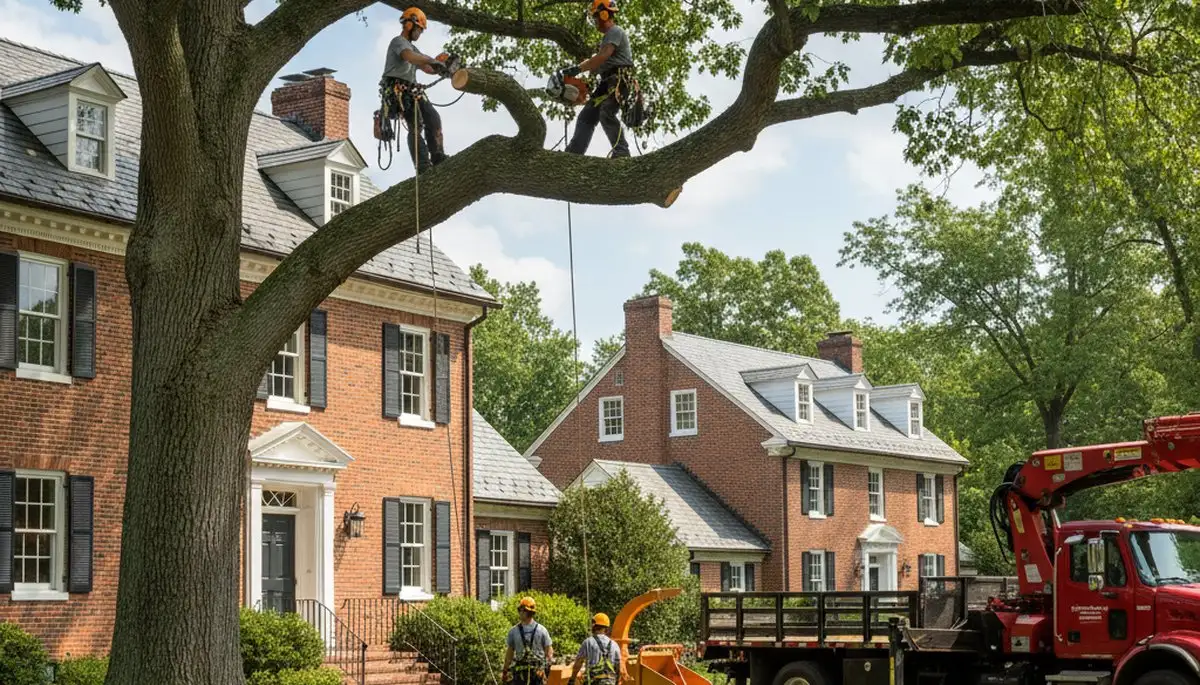
Reading's Dense Urban Canopy, Rooted in History
Reading grew steadily through the late 1800s and 1900s, creating the tree-lined streets and established yards that still define the town today. That history also shows up in aging root systems, crowded canopy layers, and long-standing growth patterns that affect how tree work must be handled now.
Mature Tree Overhang and Structural Fatigue
Many Reading properties, especially along Haven Street and in neighborhoods near Lowell Street, have oaks and maples that have outgrown their original planting space. The result is heavy overhang above roofs and utility lines, which can create structural concerns and access problems during high winds.
Local professionals address overhang and fatigue with crown reduction, selective limb removal, and cable bracing when appropriate, helping reduce storm stress and improve long-term access.
Root Encroachment on Walkways and Foundations
Reading's older streets add shade and character, but they also create conditions where roots can lift sidewalks and press against foundations. Surface roots from mature maples and oaks often cause uneven pavement and drainage problems near aging structures.
Professionals manage these issues with root barriers, precision root pruning, and targeted stump removal, all adjusted to the utility lines and older infrastructure found throughout Reading.
Fungal Disease and Canopy Decline
Long stretches of humidity and dense canopy cover can make it harder for many Reading trees to stay healthy. Fungal concerns such as anthracnose and verticillium wilt are well known in this part of Massachusetts.
Trusted pros respond with diagnosis, targeted treatment plans, and selective thinning that supports healthier growth and lowers the risk of faster decline.
Nor'easter and Ice Storm Damage
Seasonal nor'easters and late-winter ice storms across New England can add weight and wind pressure that lead to broken limbs, uprooted trees, and blocked driveways in Reading.
Experienced crews use emergency response methods with aerial lifts, rigging systems, and debris removal to reopen access and reduce liability during severe winter weather.
Tight Lot Access and Equipment Constraints
Narrow side yards and fenced rear lots are common in Reading, which can make tree removal and stump grinding difficult without careful planning.
Local pros rely on compact track loaders and hand-carry rigging, while protecting lawns and respecting property lines, so service can be completed even where access is limited.

Launch your tree service project today
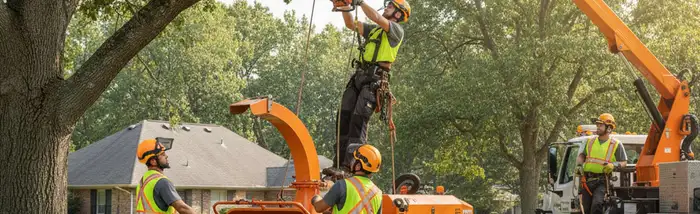
Tree Services in Reading, MA: Care for Every Season
From regular pruning to urgent storm cleanup, local professionals help keep Reading properties safe, attractive, and structurally sound throughout the year:
Routine Tree Trimming and Pruning in Reading, MA
- Canopy Crown Reduction on Mature Oaks Near Haven Street: Overgrown oaks along Haven Street are selectively thinned and reduced to restore clearance above driveways and rooflines while preserving the tree's natural structure.
- Structural Pruning for Young Maples in Washington Park: Young and mid-age maples in Washington Park are pruned to encourage strong branch development before weak unions and co-dominant stems become larger concerns.
- Deadwood Removal from White Pines Along Woburn Street: White pines near Woburn Street are cleaned of dead interior limbs that build up from shade and seasonal needle loss.
- Clearance Trimming Near Utility Lines off Summer Avenue: Trees reaching into utility corridors along Summer Avenue are trimmed back to reduce the chance of contact during wind or ice events. Neighbors in North Reading, MA also rely on year-round tree care in North Reading, MA for similar utility-adjacent trimming needs.
- Seasonal Crown Thinning Across Birch Meadow Residences: Homes throughout Birch Meadow benefit from annual crown thinning that increases light, lowers wind resistance, and supports stronger tree health before storm season.
Plan trimming and pruning before the next growth flush to help Reading's canopy stay balanced and healthy all year.
Tree Removal Services in Reading, MA
- Hazardous Tree Removal Near Residential Structures on Lowell Street: Dead or unstable trees close to homes along Lowell Street are removed with controlled sectional methods that help protect nearby structures and landscaping.
- Storm-Damaged Tree Removal After Nor'easter Events: Trees split or toppled by nor'easter winds are cleared quickly from yards, driveways, and access routes across Reading neighborhoods.
- Dead Tree Removal from Wooded Rear Lots Near Bare Meadow: Properties near Bare Meadow Conservation Land often contain standing dead trees that can threaten fences, outbuildings, and nearby green space.
- Multi-Stem Clump Removal in Tight Side Yards: Dense clumps of gray birch and cherry in narrow side yards are removed using compact equipment and hand-carry rigging where full machinery cannot fit.
- Invasive Tree Species Removal Across Reading Parcels: Invasive trees such as Norway maple and tree-of-heaven are identified and removed from residential and conservation-adjacent parcels to ease competition with native canopy. Property owners in Wilmington, MA also work with tree removal contractors in Wilmington, MA to address similar invasive species concerns along the region's shared woodland corridors.
Removing dead, hazardous, or invasive trees before winter can reduce storm-season risk and support the health of nearby trees and plantings.
Stump Grinding and Cleanup in Reading, MA
- Stump Grinding After Oak Removal Along Haven Street: After large oaks are removed along Haven Street, stumps are ground flush with the grade to remove trip hazards and prepare the area for lawn repair or replanting.
- Below-Grade Grinding for Lawn Replanting in Washington Park: Stumps in Washington Park yards are ground below grade so loam can be added and grass seed can be installed for a cleaner finish.
- Multi-Stump Clearing on Wooded Rear Lots: Properties with several leftover stumps from earlier removals can be cleared in one visit, which limits repeat equipment traffic across the lawn.
- Root Flare Cleanup After Stump Removal Near Foundations: Surface roots tied to stumps near foundations are traced and ground down to reduce continued decay that could affect hardscape or drainage nearby.
- Post-Removal Debris Cleanup and Chip Dispersal: After stump grinding, wood chips and debris are raked, removed, or spread into garden beds as mulch based on the owner's preference, leaving the site tidy and ready for landscaping.
Stump removal finishes the job and gives you back usable yard space, whether the next step is replanting, expanding the lawn, or clearing away an old obstacle.
Emergency Tree Services in Reading, MA
- 24-Hour Response for Storm-Fallen Trees Blocking Driveways: When nor'easters or summer storms drop trees across driveways or access routes in Reading, crews respond day and night to clear the blockage safely.
- Emergency Limb Removal from Roof Contacts After Wind Events: Large limbs resting on roofs after high winds are carefully rigged and removed to avoid additional damage during cleanup.
- Urgent Hazard Assessment for Leaning Trees Near Structures: Trees that crack, shift, or begin leaning toward houses, garages, or fences after storms are inspected right away and stabilized or removed as needed.
- Rapid Debris Clearance After Ice Storm Accumulation: Ice-loaded branches and canopy failures that scatter debris across yards, sidewalks, or roadways are cleared quickly to restore safe access.
- Emergency Root Failure Response on Older Residential Lots: Trees with weakened root systems that fail during saturated soil conditions after heavy rain are removed and the area is secured to limit further ground movement or structural impact.
Emergency tree service in Reading is available when urgent conditions call for it, helping prevent storm damage from becoming a longer-term safety issue for residents and neighboring properties.